Don't miss our holiday offer - up to 50% OFF!
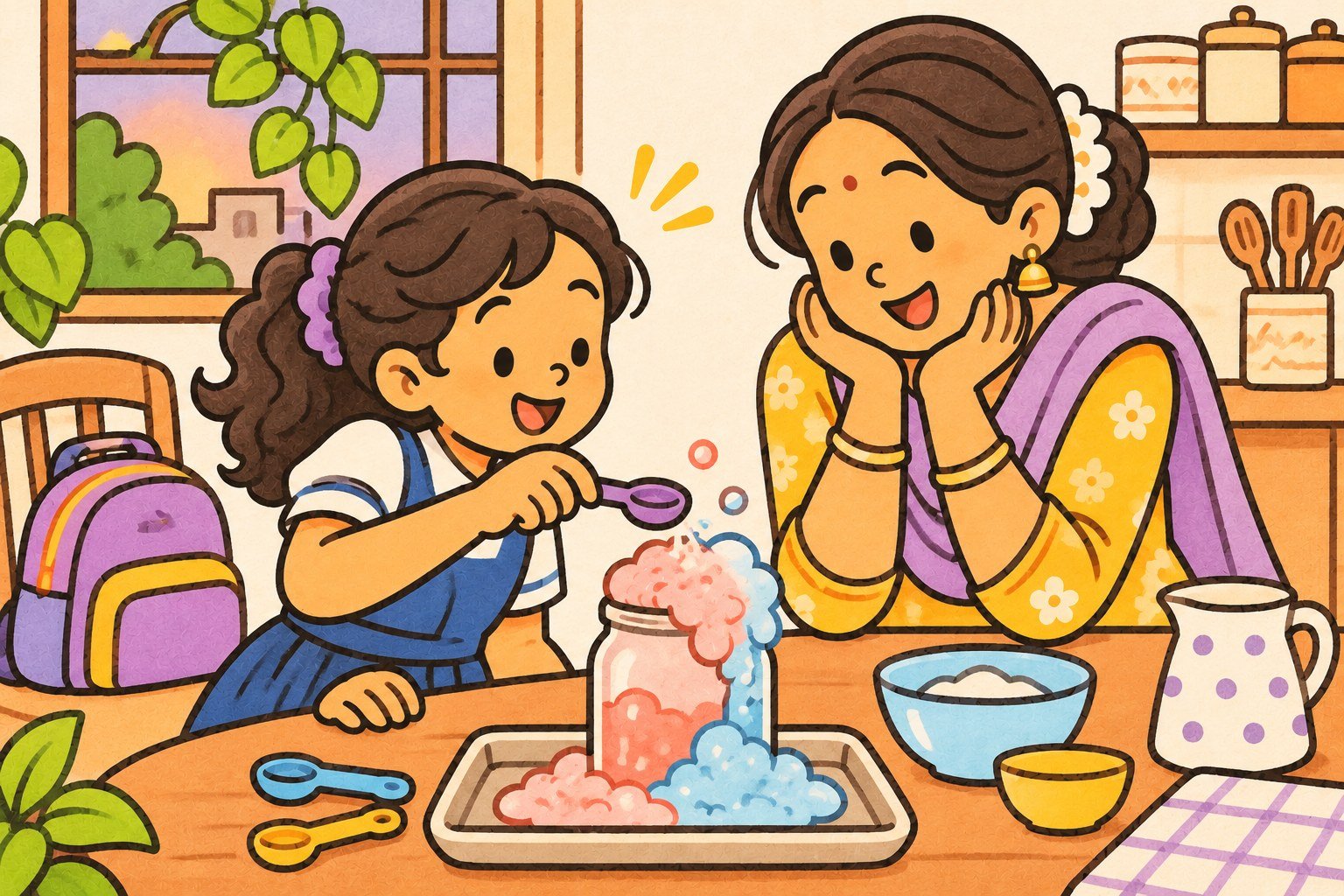
Afterschooling: How to Make Learning Fun at Home When Your Child Goes to School
Not homeschooling? Afterschooling lets school-going children enjoy learning at home through play, reading and projects — without extra tuition stress. A practical guide.

Homeschooling isn’t possible — or desirable — for every family. Most Indian children go to school, and most parents work. But you can still give your child the best parts of homeschooling: curiosity, hands-on learning, and joy. This approach has a name: afterschooling.
What is afterschooling?
Afterschooling means supporting and enriching your child’s learning at home, alongside school. It’s not more tuition or extra worksheets. It’s about bringing learning to life through play, books, conversation, projects and everyday experiences — in small, enjoyable doses.
Why it helps
- It fills gaps school may not have time for — like reading for pleasure, hands-on science, or creative projects.
- It makes school learning stick, because children see concepts in real life.
- It protects curiosity, which can get worn down by rote learning and pressure. (We explain why in how school takes the fun out of learning.)
- It builds connection between you and your child, because you’re exploring together.
The golden rule: it has to be fun
A tired child coming home from school does not need another class. If afterschooling feels like homework, it backfires. Keep it short (10–30 minutes), optional where possible, playful, and led by your child’s interests.
Afterschooling ideas by subject
Reading and language
- Bedtime reading every night — the single most valuable habit.
- Let your child choose library books, including comics and books “below” their level.
- Play word games in the car: rhymes, “I spy”, making stories together.
- Use an interactive phonetic sound book (4+) for letter sounds and early vocabulary.
Maths
- Cook together — measuring, halving recipes, counting rotis.
- Give a small budget at the market and let them work out what they can buy.
- Play board games with dice and counting.
- Use hands-on tools like the wooden numbers & maths symbols board (4–6 years on the box). See more in how to teach maths through play.
Science
- Kitchen experiments: what dissolves, what floats, what happens when you mix vinegar and baking soda.
- Grow seeds on a windowsill and measure them every few days.
- Watch insects in the park, or explore with an insect figure set (3+) and talk about legs, wings and habitats.
- Make bubbles and talk about shapes and surface tension — our homemade bubble solution recipe is a hit.
Engineering and problem-solving
- Weekend building challenges: tallest tower, longest bridge, a house for a toy.
- Magnetic sticks (3+) and building blocks (4–6 years) are ideal.
- Take apart an old (unplugged, safe) gadget together to see what’s inside.
Art and creativity
- Keep an art box always accessible.
- Try simple craft kits like the Magic Water Elf gel craft kit (3+, with adult supervision).
- Draw what you saw today, or illustrate a story.
Geography and culture
- Put a map of India on the wall; mark places relatives live or you’ve travelled.
- Cook a dish from another state and talk about where it comes from.
- Learn a few words in a grandparent’s language.
A simple weekly afterschooling plan
- Every day: 10–20 minutes of reading together.
- Two weekdays: a 15-minute game or hands-on activity.
- Weekend: one bigger project or outing — museum, nature walk, building challenge, baking.
That’s it. Consistency matters more than quantity.
Connect it to what they’re learning in school
Ask “What was the most interesting thing you learned today?” (not “What did you do in school?”). If they’re studying plants, grow one. If it’s measurement, measure the house. If it’s a story, act it out. These connections make school learning feel meaningful.
What to avoid
- Turning every moment into a lesson — sometimes play is just play.
- Drilling ahead of the syllabus to “stay ahead” of classmates.
- Using screens as the main afterschooling tool for young children.
- Comparing your child with others.
The bottom line
You don’t have to homeschool to give your child a joyful education at home. Afterschooling — short, playful, interest-led learning alongside school — keeps curiosity alive, makes school lessons stick and brings you closer as a family. Start with a book tonight and a building challenge this weekend.