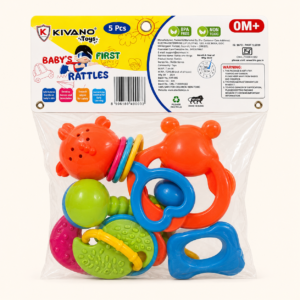
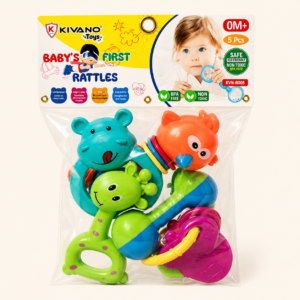
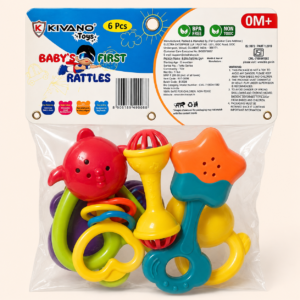
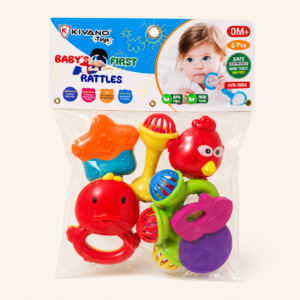
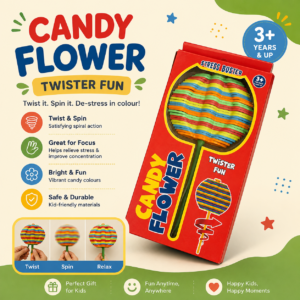
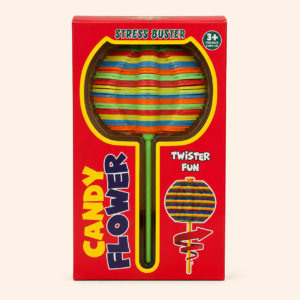
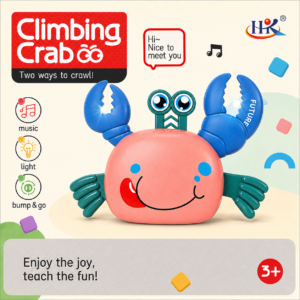
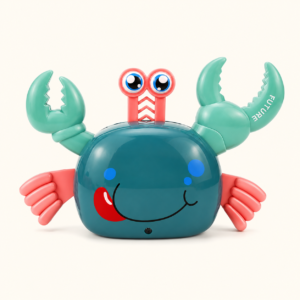
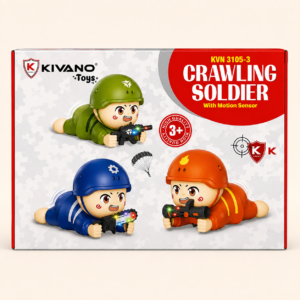
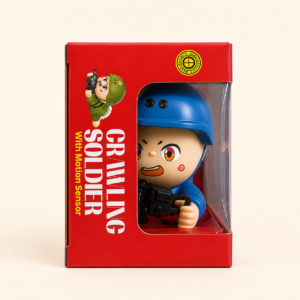
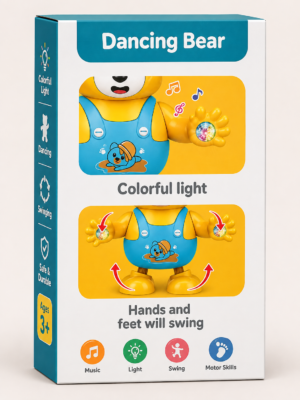
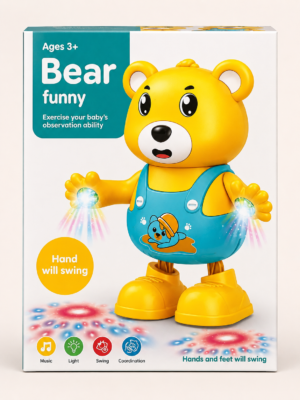
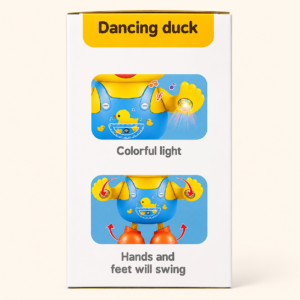
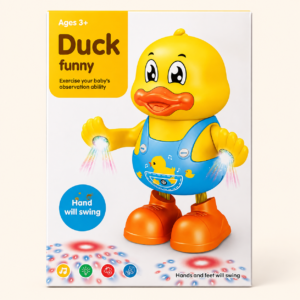
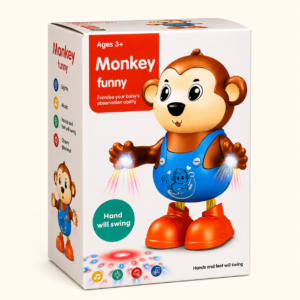
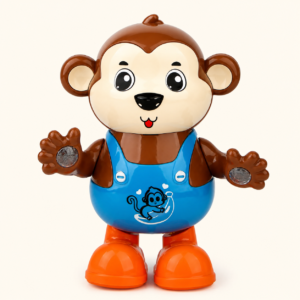
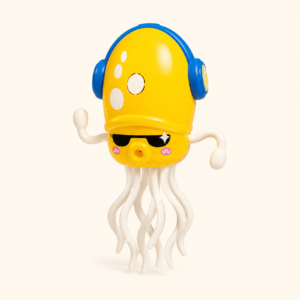
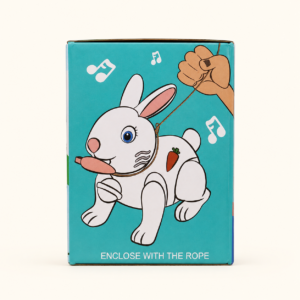
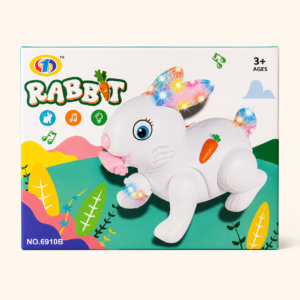
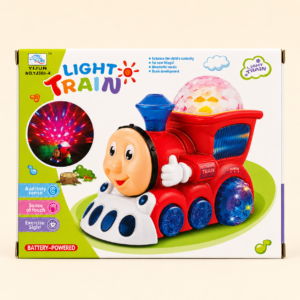
Toys that answer back when a child touches them — lights, sound, movement, texture. For babies and toddlers this is not decoration; it is the whole job of the first two years, working out that the world responds and that they are the ones making it happen.
0 to 3 months. A newborn focuses at about 20 to 30 cm and sees contrast far better than colour. Your face, high-contrast patterns and soft sound are what help. She cannot grip yet, so a rattle placed in her hand at this age is for the adult’s benefit. Honestly, you do not need to buy much here.
3 to 6 months. Reaching starts, and everything reached goes straight to the mouth — not from hunger, but because the mouth has far more nerve endings than the hand. A light rattle or teether set is genuinely the right purchase. The handle must be narrow enough for a small fist, and the whole thing light enough that dropping it on her own face does not hurt.
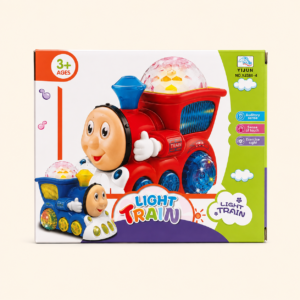
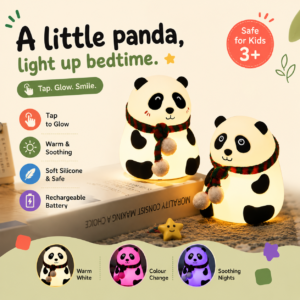
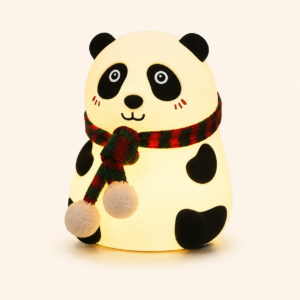
6 to 9 months. Cause and effect lands: press the thing, the thing responds. She will repeat it two hundred times, confirming the rule holds. This is the one moment where a light-up, noise-making toy genuinely earns its place. The response must be immediate and consistent — a toy that sometimes reacts teaches the opposite lesson.
9 to 18 months. Once she is crawling, the floor is the best sensory input available. What a toy is for now is giving her a reason to move. A toy that crawls away turns an object into a chase, and she practises crawling for twenty minutes without noticing.
What to check before you buy
The toilet-roll test. If a part fits through a toilet-roll tube it is a choking risk under three. Do it physically rather than trusting a label.
Pull the small parts. Eyes, beads, ribbons, battery covers. A battery compartment on a baby toy should need a screwdriver — if the lid pops off with a thumbnail, put it back.
Smell the box. A strong chemical smell means solvent still outgassing. It should not be there on something designed to be chewed.
Check the volume at your own ear. If it makes you flinch, it is far too loud for a baby who will hold it closer.
What to skip
Sensory kits at ₹2,500 are usually four useful things and eight pieces of packaging — buy the four. Anything claiming to boost IQ or brain development is guessing. And a bright tablet app is not sensory play: sensory means hands, mouth and whole body, and a screen engages one sense in the least demanding way available.