Don't miss our holiday offer - up to 50% OFF!
Why Indian Parents Are Choosing Educational Toys and Books
Why parents in India are spending more on educational toys and books, how to pair them, and how to choose well, with gift ideas.

Walk into any toy shop or scroll through any children’s section online and you’ll notice the same thing: the words “learning”, “STEM” and “educational” are on almost every box. That isn’t an accident. Indian parents are spending more on toys and books that help a child learn, and the industry has noticed.
This guide looks at why that is happening, what parents are really looking for, and how to choose toys and books that earn their place on the shelf.
The short answer
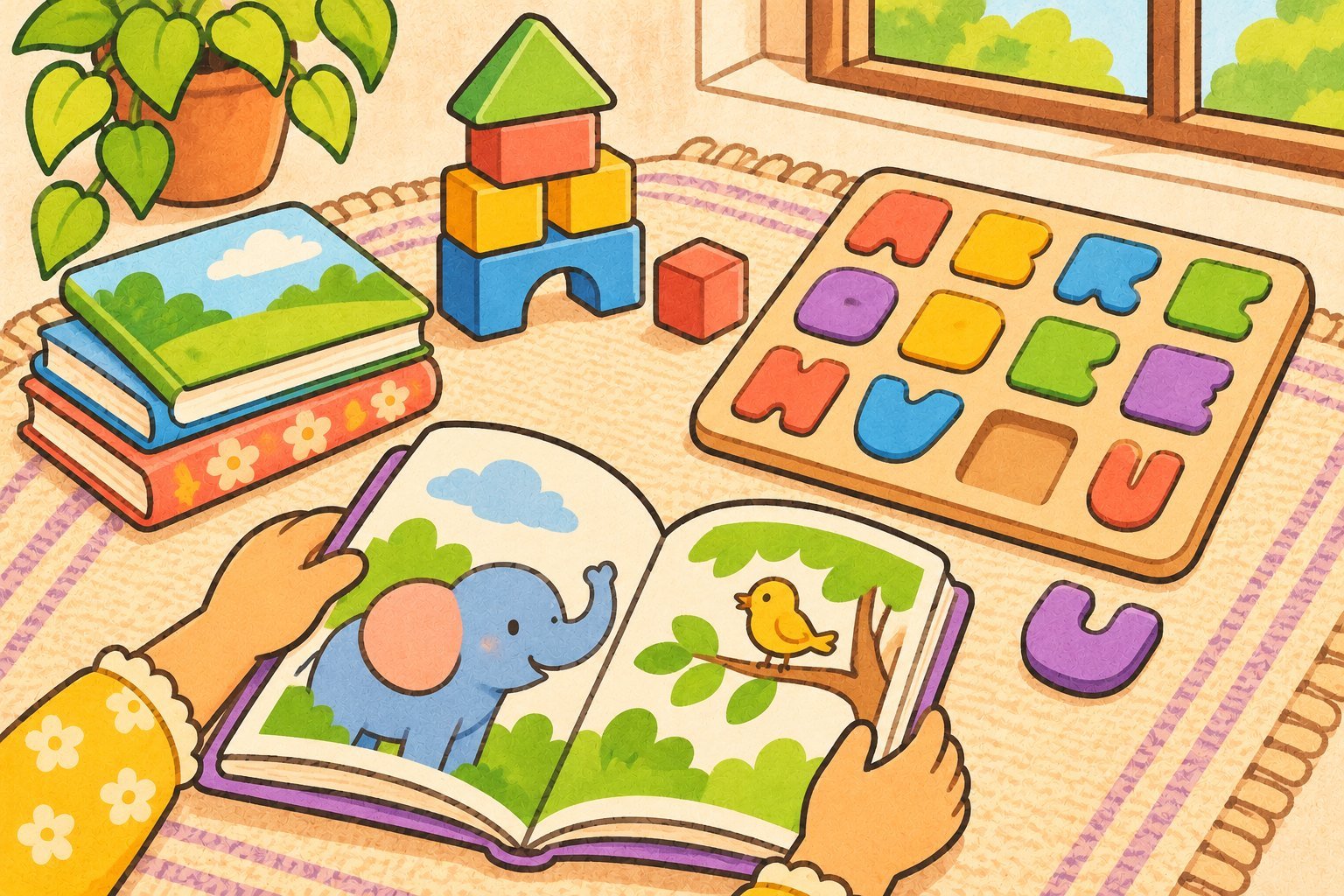
Parents are choosing educational toys and books because they see play as part of learning, because they are more aware of how much children develop in the early years, and because they want fewer screens and more things a child can hold. The best purchases combine a toy and a book: one gives hands-on play, the other gives language and stories.
What is changing
- Awareness of early development. More parents have read or heard that the early years matter, and they want to use that time well.
- Schools are changing. India’s National Education Policy 2020 puts more weight on play- and activity-based learning in the early years, so parents see toys as part of education rather than a break from it.
- A move away from screens. Many parents want children to spend less time on phones and tablets, and they look for something else that holds a child’s attention.
- Home learning. More families are teaching part or all of the curriculum at home and need good materials. We cover this in our guide to homeschooling in India.
- Online shopping. It is easier to compare products and read what other parents say, so parents are choosing with more care.
Industry reports back up the trend. One 2026 opinion article in The Week puts India’s educational toy market at roughly $2.3 billion in 2025 and expects it to grow at around 8% a year over the next decade, and it notes that parents increasingly prefer sustainable, non-toxic and wooden toys over cheap plastic. Treat forecasts like this as a general direction, not an exact number, but the direction is clear.
Toys and books work better together
A toy gives a child something to do. A book gives them words for it. When the two meet, learning sticks. A child who has just built a tower with blocks will love a story about a builder. A child who has placed the number 5 on a puzzle board is ready to hear a counting story. Children also remember better when they have touched the thing they are reading about.
Some easy pairings:
- Alphabet puzzle board + a phonics book. Place the letters, then say the sounds. Our interactive phonetic sound book works well beside the alphabet board.
- Numbers board + a counting book. Count objects around the house and match them to the numerals on the numbers board.
- Magnetic sticks + a simple science or shapes book. Build the shapes you read about.
- Pretend-play sets + stories about jobs and helpers. A doctor set and a book about a doctor’s day makes a good afternoon.
How to choose well
- Match the age on the label to the child, not the child’s age to the toy. A toy that is a little too easy builds confidence, and one that is far too hard builds frustration.
- Prefer open-ended toys. If a toy can be used in three different ways, it will last three times as long. See how interactive toys support brain development.
- Check safety first. Look for an age label, no loose small parts for children under three, and no strong chemical smell.
- Don’t buy a whole shelf at once. A small set that rotates every few weeks keeps things fresh and avoids clutter.
- Look for books with the child in mind. Short pages, big pictures and repeated words for the little ones, and a story to talk about for older ones.
Gift ideas
If you are buying for someone else’s child, a toy plus a book is a gift that feels thoughtful and is easy to wrap. Our Children’s Day gift guide has ideas by age, and the guide to the best toys for a 5-year-old covers the age when children start to read.
What matters most
You don’t need a perfect toy or an expensive curriculum. A child who is read to every day, given time to play and encouraged to ask questions is already getting the best start. Good toys and books just make it a little easier. Every Tukoy order also donates 2% to children’s charities.